

Blog
Choosing the Right Regulation Size for Pool Tables in Charlotte

Key Highlights
- A regulation pool table follows the rule that its length must be twice its width. It is the table’s proportions, not just its size, that makes it “regulation.”
- Standard pool table sizes like 7-foot, 8-foot, and 9-foot tables can all be called “regulation” if they share this 2-to-1 ratio.
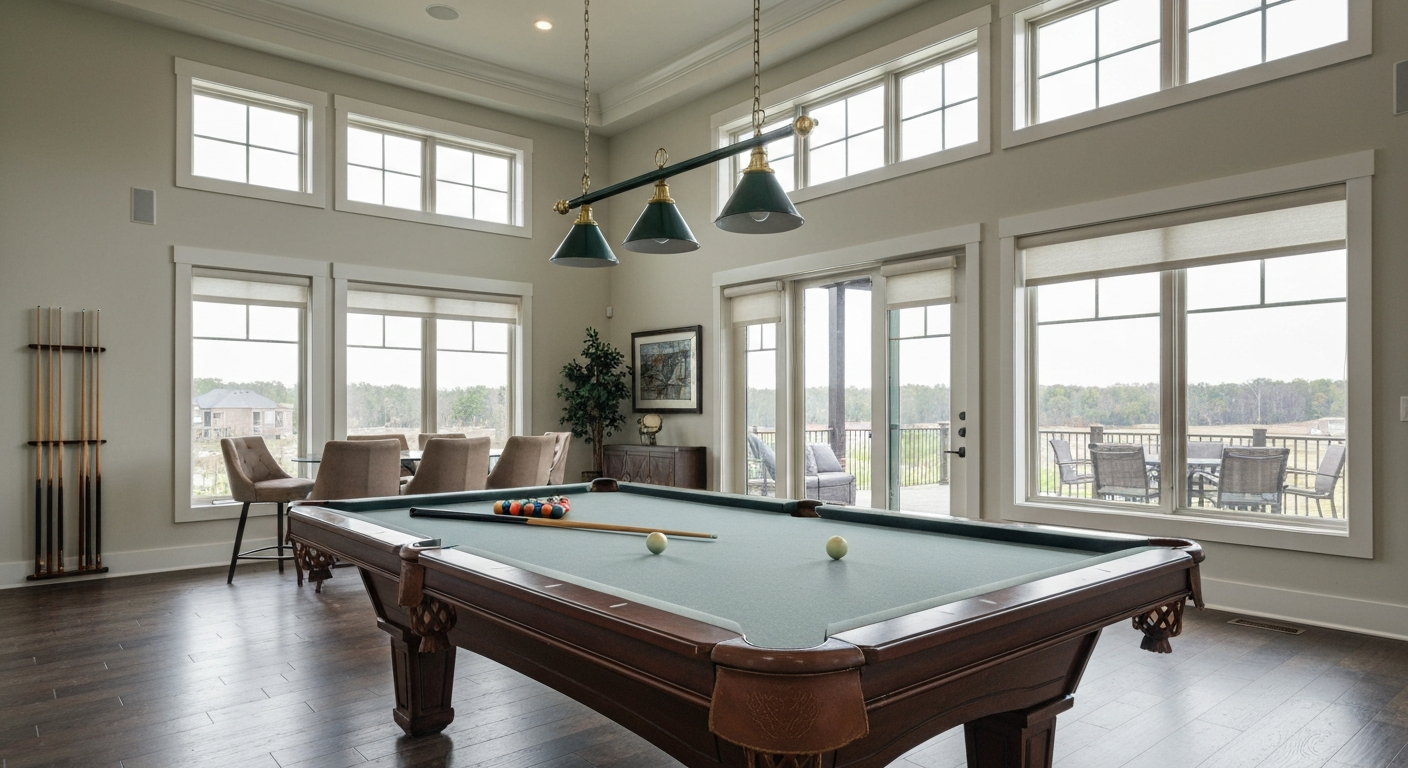
- A 9-foot pool table is used in professional tournaments. Most people, though, prefer an 8-foot table for their home game room.
- When you pick your table size, your room size matters. You need to make sure the space is big enough for you to use your cue and move around the table.
- A true regulation pool table will have strong parts and a one-inch thick slab of slate for the playing surface.
Introduction
When you start looking to buy a pool table for your house, you will hear the term “regulation size” a lot. This may feel confusing because there are many different sizes of pool tables.
To get the best game room, you need to know what regulation really means. This guide will clear up what the official standard is. We also show how different sizes can change the game and help you pick the best pool table for home use. With us, you will get the know-how to feel good and sure when you choose your own pool table.
Understanding Regulation Pool Table Sizes
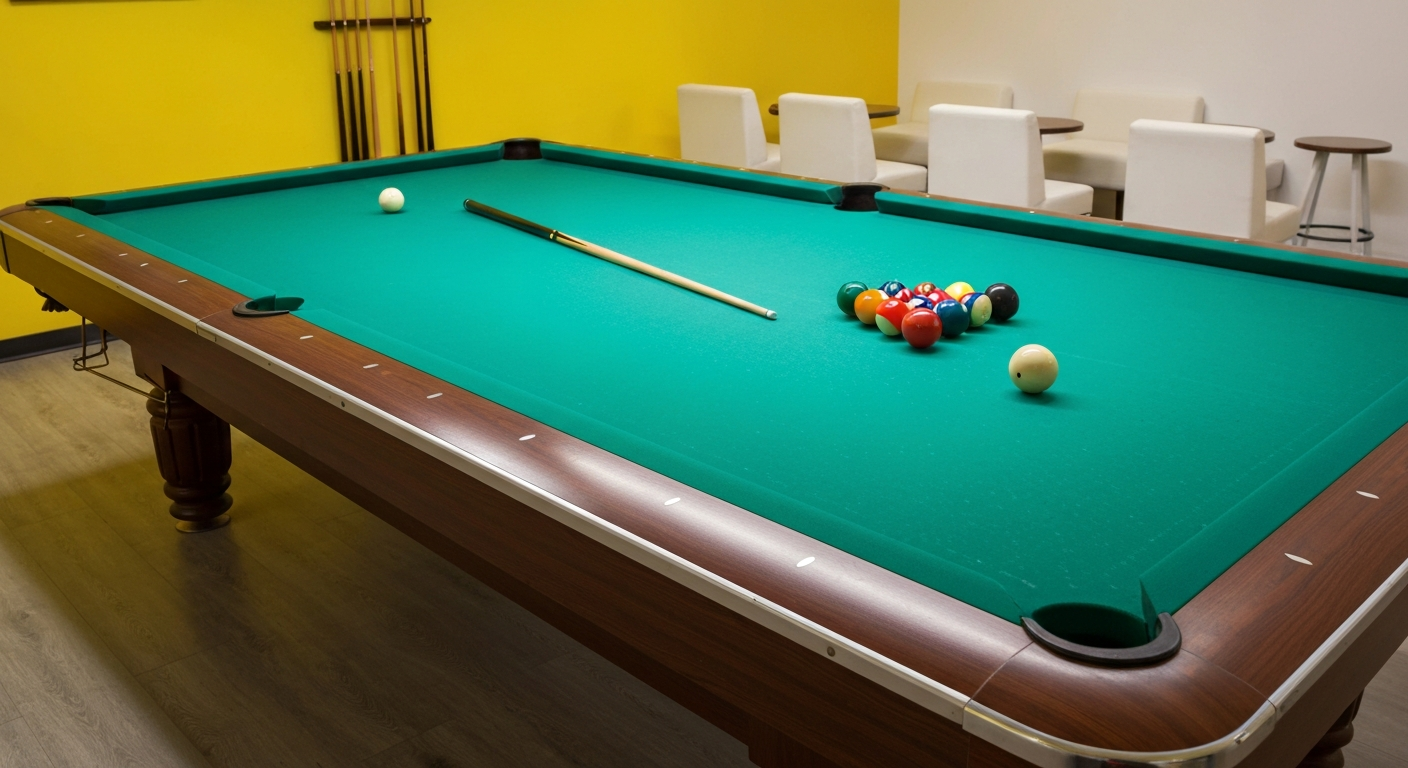
The word “regulation” can make some people feel confused, but the meaning is easy to get. A regulation size pool table means the playing surface’s length is exactly two times the width.
This 2-to-1 rule is what matters, not the actual number of inches or feet. When you look for a size pool table at Classic Home Billiards, you can find many tables with this same shape.
A pool table can be 7-foot, 8-foot, or 9-foot, and it will still be a regulation pool table if it follows this 2-to-1 rule. Next, let’s look at the official pool table sizes and see how these standard tables are different.
Official Dimensions and the 2-to-1 Ratio Explained
The rule for a regulation size table is simple. The playing surface length is always twice the width. A 9-foot table, which is the standard for professionals, has a playing surface that is 100 inches long and 50 inches wide. An 8-foot regulation size table has a playing surface of 88 inches by 44 inches.
This steady 2-to-1 ratio makes sure that the shape of the game of billiards does not change. It stays the same no matter what the size of the pool table is. The angles and distances go up or down together, so things feel balanced and fair. You will get the same feel when you play on a small home pool table or on a big tournament table.
In the end, this rule is all about the playing surface. This is the space inside the cushions where you see the balls roll. If this part of the table fits the 2-to-1 rule, the table can be called “regulation.”
Differences Between 7ft, 8ft, and 9ft “Regulation” Tables
All three pool table size options can be used as a regulation table. But, each pool table size is good for different places and player skills. A 7-foot table, also called a “bar box,” is the type you will see in most bars and pubs. This table size is best if you have less space or want some good, casual fun.
The 8-foot table is a top pick for most home game rooms. A 7-foot table is easier, but the 8-foot size makes games feel more real without taking up too much space. A 9-foot table is what you see used in tournament pool tables, and it is for people who want the hardest challenge.
|
Table Size |
Playing Surface |
Common Name/Use |
|---|---|---|
|
7-Foot |
78″ x 39″ |
Bar Box / Casual Play |
|
8-Foot |
88″ x 44″ |
Standard Home / Recreational |
|
9-Foot |
100″ x 50″ |
Pro Size / Tournament Play |
Regulation Pool Tables vs. Bar Size and Pro Size

It’s good to think of “bar size” and “pro size” as different types within the bigger group called the “regulation size table.” A 7-foot “bar size” table and a 9-foot “pro size” table are both regulation size. They both follow the 2-to-1 ratio when it comes to the size table.
The biggest difference is in the size table and how you play on each one. Your choice depends on your skill, what you want to do, and the space you have. A bar size table is smaller, so it is easier to play on. A pro size table is best for professional play. It is harder and needs you to be more exact.
What Makes a Table “Regulation” in Charlotte, NC
In Charlotte, NC, the main rule for regulation pool tables is the same as everywhere. The defining feature of regulation pool tables is the 2-to-1 ratio of the playing surface length to width. To see if your pool table is a regulation table, measure the playing area. Go from the nose of one cushion to the nose on the other side. If the length is twice the width, you have a regulation table.
American pool tables come in common sizes like 7-foot, 8-foot, or 9-foot. All of these follow the standard. Some British tables have different pocket shapes and sizes, but the 2-to-1 ratio keeps the game balanced.
When you look for pool tables for sale in Charlotte, NC, check out Classic Home Billiards. Your room size will help you pick between these common sizes of pool tables. You need enough space so you can shoot from all sides and feel good while playing.
Pros and Cons of Bar Size vs. Pro Size Tables
Choosing between a bar box and a pro size table depends on what you want with your space and how hard you want the game to be. Room dimensions matter a lot. A larger table will need much more room around it so you have space for your cue.
A 7-foot bar box is a good pick if you are a casual player or you do not have much space. If you are into professional tournaments and want to get better, a 9-foot pro size table is the best choice.
- Bar Size (7ft) Pros: This size fits well in small rooms. It’s also good for beginners and for casual players.
- Bar Size (7ft) Cons: There is less challenge with this size. People do not use it for top-level play.
- Pro Size (9ft) Pros: This size is the one used in tournaments. It gives the most challenge and helps you get better at the game.
- Pro Size (9ft) Cons: You will need a lot of space for this size. It is also hard for new players to use.
Key Construction Features of a True Regulation Table
Getting the size right for your pool table is just one part of the job. A real regulation table also needs a strong frame, top-quality materials, and a flat playing surface. Good cushions are also important. If the frame is not solid or the playing surface is not level, you will not get a true feel when you play. A regulation table should help you play at your best.
The quality of the materials matters a lot when you play. It can change how accurate your shots are. There are two main parts that show the difference between a high-quality regulation table and one that is basic. These parts are the slate bed and the cushion rails.
Importance of One-Inch Brazilian Slate for Gameplay
The most important part of any high-quality regulation size table is the playing surface. For the best game, the playing surface needs to be made from slate. A one-inch thick Brazilian slate is the top choice for professional play. This slate is dense and heavy. It helps keep the regulation size pool table surface flat for a long time.
Cheaper tables can be made with wood or other things that can bend when the air is too wet or too dry. This can make the ball roll in a way that is not even or what you want. A thick slate bed will make sure the table stays flat and right for many years.
Choosing the right pool table is important. You need to focus on this key feature. A real one-inch Brazilian slate is the best. It helps the pool table stay steady. This matters for any standard pool table sizes. A good slate means you get a better game.
Cushion & Rail Specifications for Regulation Standards
Besides the slate, the cushion and rail setup is very important for a regulation table to work the right way. The cushions, also called rails, help make sure the cue ball and other balls bounce in a steady and quick way. A regulation table has top-quality rubber cushions made to act the same with every hit.
Bad cushions take away too much energy from the ball and give a “dead” bounce. This makes it hard to place the ball or make good bank shots. The rail measurements make sure the cushions are put on the right way. They also help the cushions give the ball the right amount of bounce at the best height.
These details are not just there for how the pool table looks. They are important for how the game works. The quality of the cushions has a big role in this. Good cushions help make sure the pool table meets the right standards, so every shot goes the way it should.
Selecting the Ideal Regulation Size for Your Pool Table
To sum up, picking the right regulation size pool table is important if you want a better game. You should know the difference between a 7-foot, 8-foot, and 9-foot size pool table before you choose.
A true regulation table means you get a good feel every time you play. Look for things like the 2-to-1 length-to-width ratio and a one-inch Brazilian slate. These features help you get the best play, fun, and practice.
It does not matter if you play a lot or just want something nice for your home. Going to Classic Home Billiards in Charlotte will let you see our range of regulation size pool tables for yourself. Our team can help you find the right pool table for your home and the way you want to use it.
Frequently Asked Questions
How do I know if my pool table meets regulation standards?
To see if your pool table is a regulation pool table, you need to measure the playing area. Start by measuring from the tip of one cushion to the tip of the other side cushion. If the length is two times more than the width, then it is right. This 2-to-1 ratio is what makes a size pool table count as a regulation pool table.
What room size is best for a regulation pool table at home?
The right room size depends on the size table you want. You should add at least five feet to both the width of the table and the length to get the minimum room dimensions. This gives you enough playing space to use a pool cue on every side with no problem. A regulation size table needs good room dimensions for the best game.